
Key words
- Deep Tech Branding
- Brand Strategy
- Hack Summit 2026
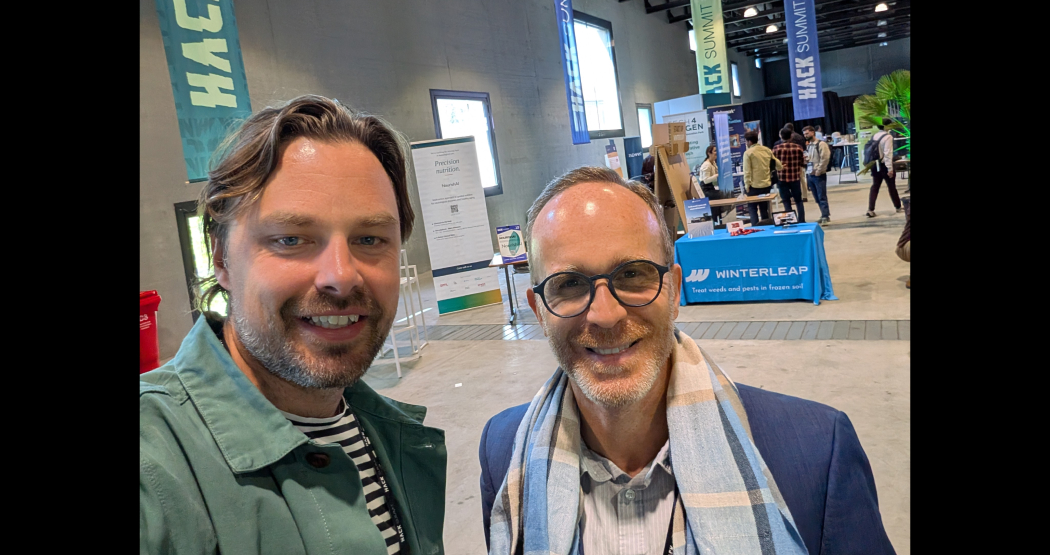
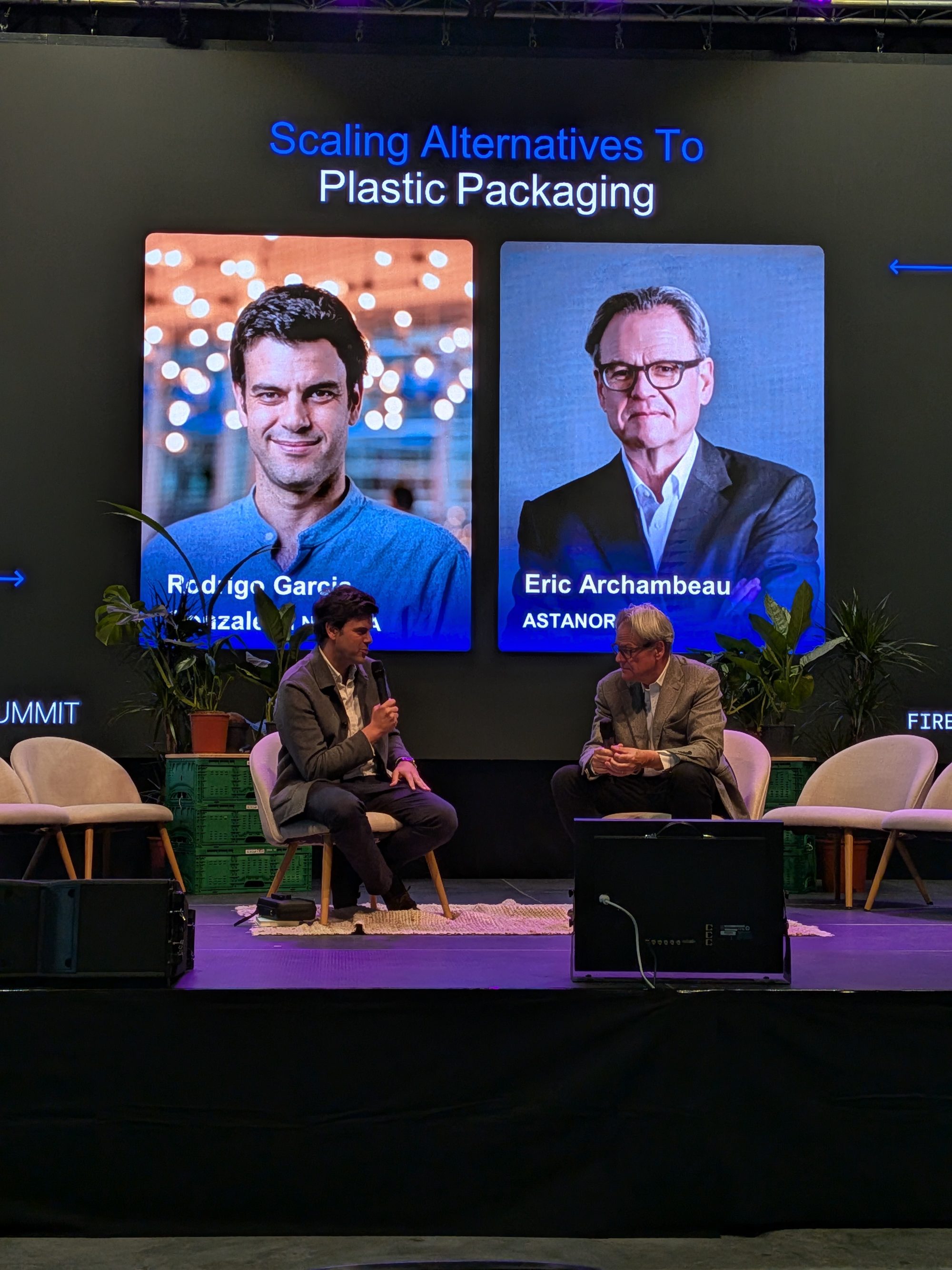
Lyon & Lyon is a branding and design studio based in Sheffield and Barry, working with deep tech and food tech founders who are building genuinely remarkable things and struggling to make investors feel it. In April 2026 we attended Hack Summit, one of the UK’s leading events for deep tech innovation and investment. We went with one question in mind.
At Hack Summit, we asked founders and investors in deep tech and food tech a simple question: What’s the one thing you wish investors knew about you before they even opened your pitch deck? Or, put another way: Where are brands going wrong when they try to raise?
Here’s what we heard.
They said
“The storytelling part is where it falls down. Too scientific, too hard to understand when really investors just care about basic metrics and, is this viable?” It’s getting the basic economic stories right.”
The L&L take
If an investor has to work to understand you, they won’t. This isn’t about “dumbing it down” but designing understanding. The best brands in this space don’t remove the science but they structure it with a top layer that answers: What is it? Why does it matter? A middle layer that proves: Does it work commercially and a deep layer (for those who want it) that shows: How does it work technically?
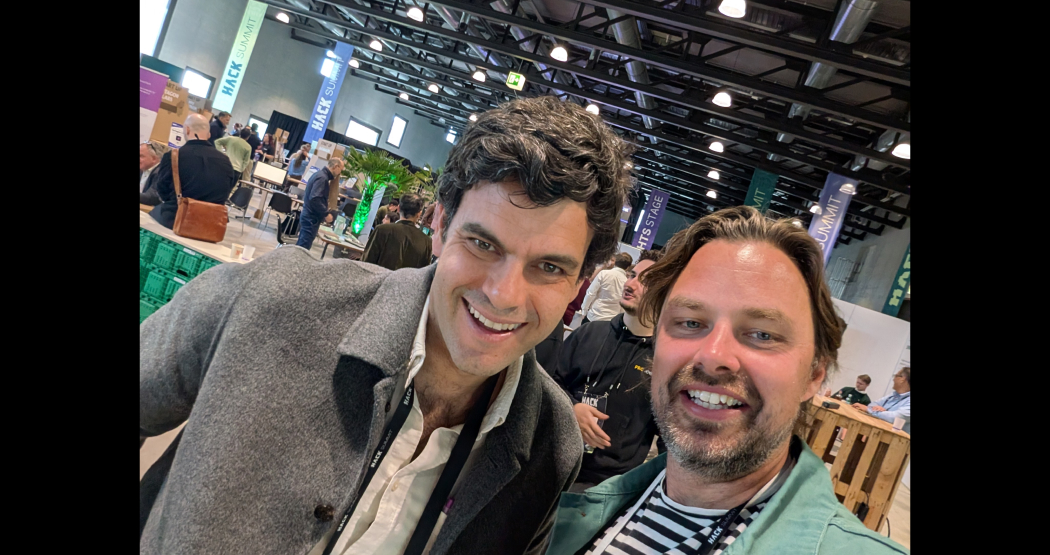
They said
“Investment decisions don’t come from decks, they come from conversations and numbers. Long term relationships, conversations happening over many years, re-updating them on your journey”
The L&L take
Most founders treat each interaction like a fresh pitch. But creative isn’t just about making a good first impression, it’s about making sure you’re remembered.
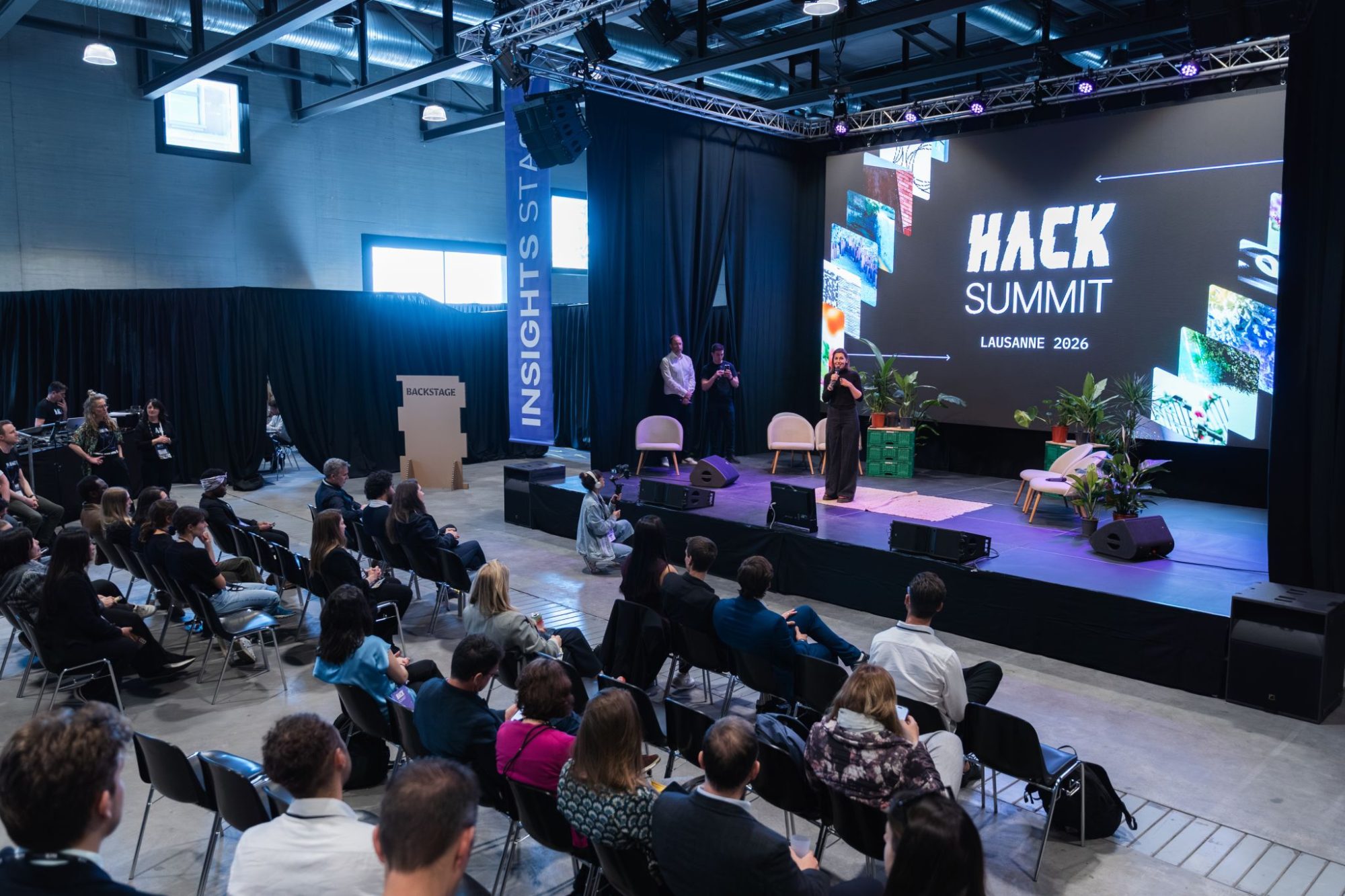
They said
“So far, the biggest challenge is when you meet an investor that doesn’t understand the ecosystem. If they’ve done investments within your brand ecosystem before then they get it. But when it’s a totally different animal, it can be difficult to get them to understand. It’s getting that deeper background across whilst also telling your unique story.
They often lead with price too, for example ‘is the price of your eco friendly offering the same as plastic” And I think was the first Tesla the same price as a VW? No. If they start with price – they’re in the wrong place, as they can’t see the long term picture.”
The L&L take
This is a brand education problem as much as an investor problem. If your brand is doing its job, the right investors self-select and the wrong ones don’t waste your time. The Tesla comparison is sharp. Tesla never apologised for its price point because the brand made the vision legible before the conversation started. When your story is clear enough, price becomes a detail rather than an objection.
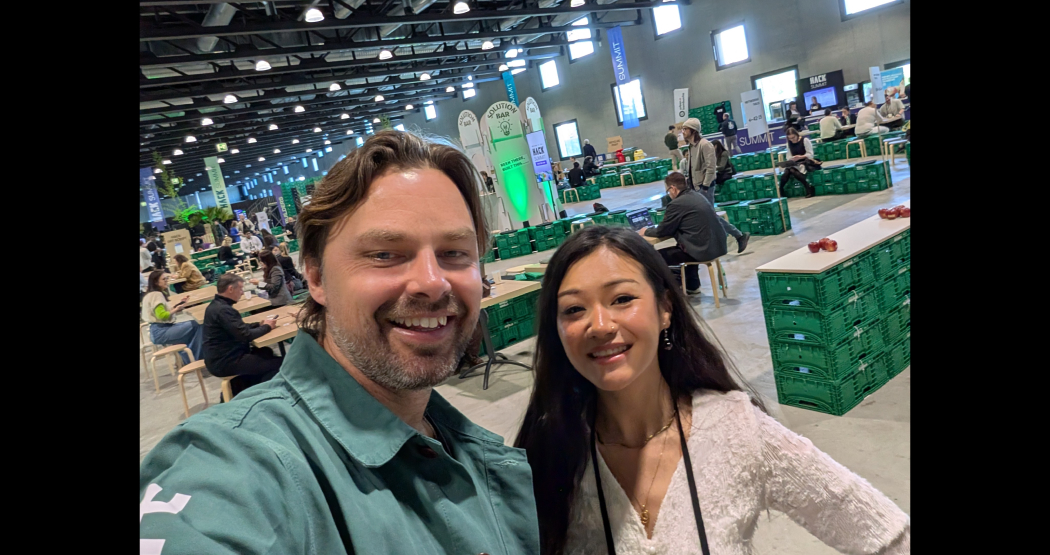
They said
“When meeting new brands at conferences like Hack Summit investors don’t want to start with hearing all the tech and stats. They want to use the 15 minutes to really get to know you and why you’re passionate about what you do, that’s the first place to start!”
The L&L take
In a very early stage setting your deck can wait. The first job in any investor meeting is to make them feel the founder behind the business. Passion is not soft or vague. It is the thing that tells an investor you will still be standing when it gets hard. The brands we work with that raise successfully are the ones who lead with why before they ever get to how. Your brand should do the same thing before you even get in the room.
If its Series A an upwards the obviously focusing on revenue is the biggy.
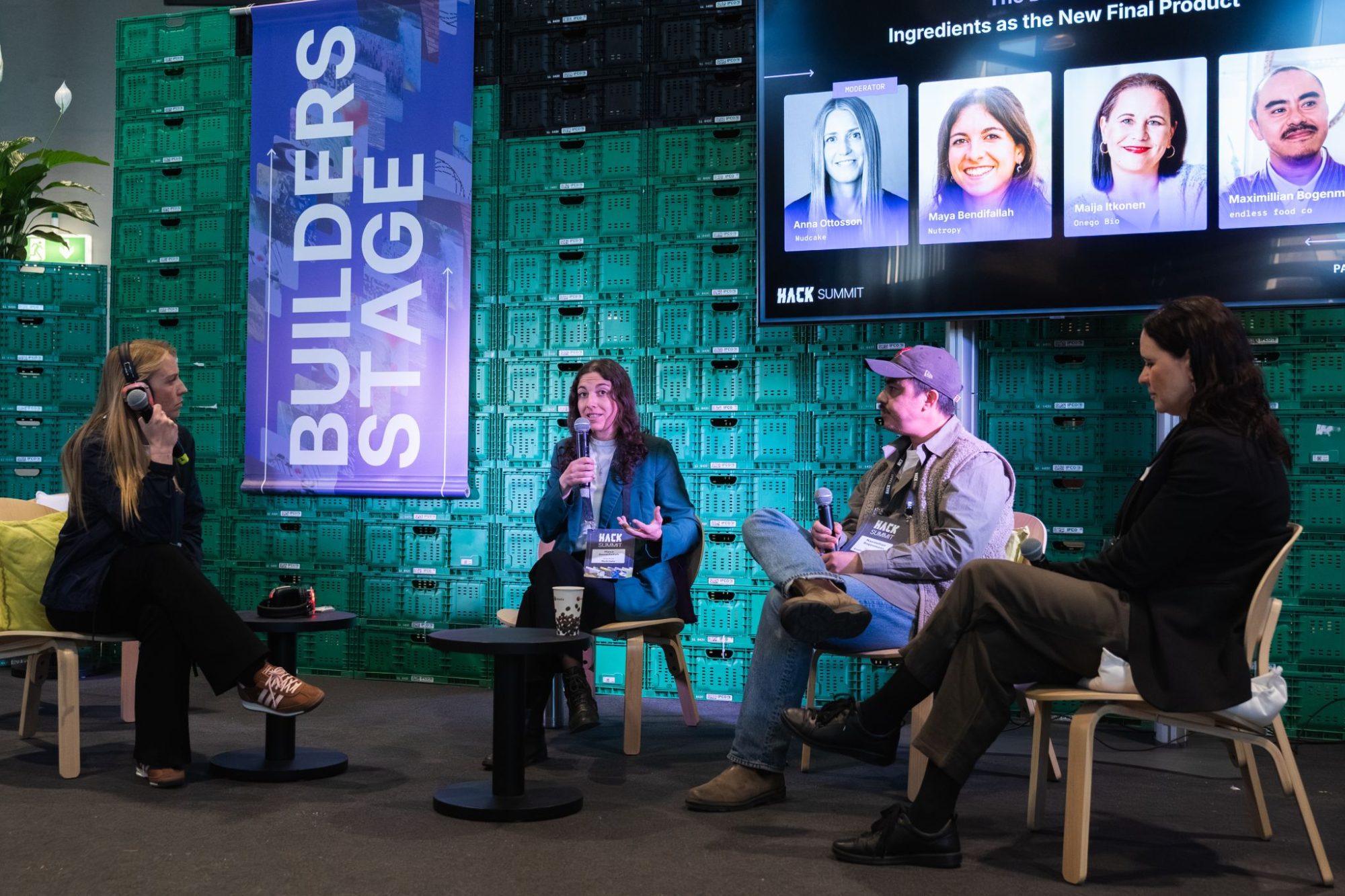
They said
“Investors don’t get B2B ingredients!”
The L&L take
Five words that contain a genuinely common problem. B2B ingredient brands are invisible to most investors because they sit behind other products rather than in front of consumers. The challenge is making the invisible legible. That means telling the story of impact rather than process. Not what your ingredient is, but what it enables. Who uses it, what it replaces, what the world looks like with it at scale. The brand story has to do work that the product cannot do on its own.
They said
“The hardest part is that investors want to either buy the consumer brand or the tec, but not both.
The L&L take
This is one of the defining tensions in deep tech and food tech right now. Dual-layer businesses, those with strong IP and a consumer-facing brand, often find investors who specialise in one side don’t know what to do with the other. The answer is not to hide one half. It’s to build a brand architecture that makes both layers coherent, and to show investors a clear thesis for why the combination is the competitive advantage, not the complication.
They said
“It’s hard to sell a product can’t be seen”
The L&L take
Invisible products need visible stories. This is where brand does its most important work. If your product lives inside something else, underneath something else, or at a scale too small to photograph, your brand has to create the sensory and emotional experience your product cannot. The best brands in this position find a proxy for the invisible. A before and after. A scale comparison. A human story of impact. Something that makes the abstract tangible enough to feel real.
What ties all of this together
Every founder we spoke with was wrestling with the same fundamental problem from a different angle. How do you make something genuinely complex feel legible, urgent, and investable to someone with limited time and limited context?
That is not a pitch problem. It is a brand problem.
At Lyon & Lyon we help them find the story that sits above the science, build the identity that makes them memorable between meetings, and create the materials that do the selling before they walk in the room.
Lyon & Lyon works with deep tech and food tech founders at every stage of the fundraising journey, from early positioning and brand identity through to pitch materials and investor communications. If your brand isn’t working as hard as you are, get in touch.
Other News
See All News

We work with brands the world actually needs.
We don't invent stories.
We find the ones that were always there.
The product and the planet.
One story.
Brands the world actually needs.
We work with brands the world actually needs.
We don't invent stories.
We find the ones that were always there.
The product and the planet.
One story.
Brands the world actually needs.
We work with brands the world actually needs.
We don't invent stories.
We find the ones that were always there.
The product and the planet.
One story.
Brands the world actually needs.

